Queensland's waste management relies on collaboration between government and private companies, focusing on recycling and landfill reduction. Queens Landscaping and Yard Waste Disposal Services contributes through:
Holistic approach: Promoting responsible landscaping practices, efficient collection systems, composting organic material, and advanced recycling techniques.
Environmental benefits: Reducing landfill waste, lowering greenhouse gas emissions, enriching local soil, fostering sustainable ecosystems, and minimizing chemical use.
Community impact: Encouraging eco-friendly habits, creating safer landscapes, and setting industry standards through innovative waste management solutions.
Future trends: Adopting circular economy principles, integrating renewable energy sources, and promoting proper segregation for maximum recycling rates.
Waste management is a pressing issue, especially in densely populated areas like Queens, where efficient disposal and recycling practices are vital for environmental sustainability and public health. The mounting challenge lies in navigating the complex landscape of waste generation, collection, and reduction. This article delves into innovative solutions tailored to Queens’ unique context, focusing on landscaping and yard waste disposal services as a cornerstone of sustainable urban management. By exploring proven strategies, we aim to equip residents and stakeholders with effective tools to minimize environmental impact while fostering a greener community.
- Understanding Waste Management: The Basics
- Types of Yard Waste and Their Disposal
- Queens Landscaping: A Green Approach to Waste Reduction
- Recycling and Composting: Transforming Waste
- Efficient Collection and Transportation Methods
- Future Trends in Sustainable Waste Management
Understanding Waste Management: The Basics
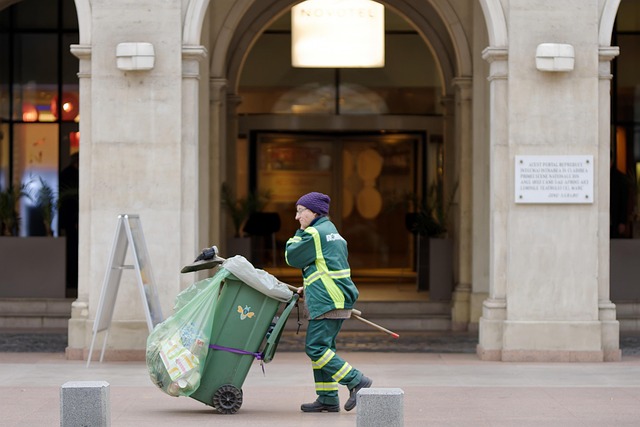
Waste management is a multifaceted field that involves the collection, transportation, processing, and disposal of various types of waste generated by households, industries, and institutions. Understanding the basics of waste management is crucial for effective implementation of solutions tailored to specific regions like Queensland, Australia, where landscaping and yard waste disposal services play a significant role. In Queensland, with its diverse urban centers and sprawling suburban areas, efficient waste management practices are essential to maintain environmental quality and public health.
The primary components of waste management include municipal solid waste (MSW), construction and demolition waste, industrial waste, and hazardous waste. MSW, which encompasses everyday items like food scraps, paper, plastics, and glass, accounts for a substantial portion of total waste generated. In Queensland, local governments and private waste management companies collaborate to ensure proper collection and disposal through dedicated recycling programs and landfill facilities. For instance, the Queensland Government’s recycling initiatives have led to significant reductions in the amount of MSW sent to landfills, with over 60% of MSW being recycled or reused as of 2021.
Implementing effective waste management strategies requires a holistic approach involving public education, infrastructure development, and technological advancements. Queens Landscaping and Yard Waste Disposal Services can contribute by promoting responsible landscaping practices that reduce waste generation at the source. This includes encouraging the use of native plants, which require less water and maintenance, and advocating for compostable materials to manage organic waste. Additionally, implementing efficient collection systems, such as bin recycling programs and scheduled collections, ensures timely removal of waste, enhancing overall cleanliness and hygiene in communities across Queensland.
Types of Yard Waste and Their Disposal
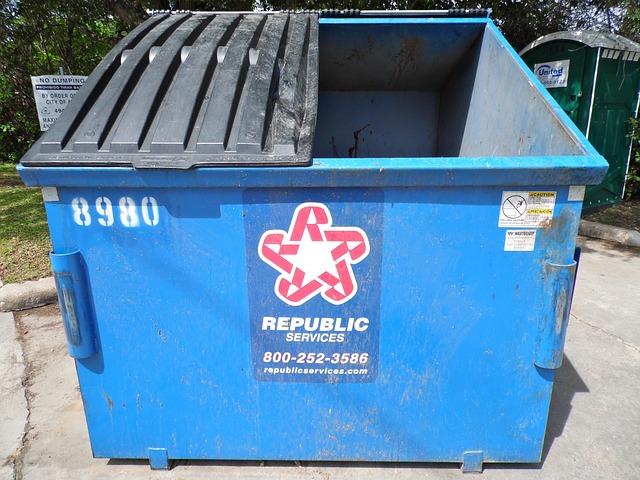
Yard waste, a by-product of our appreciation for outdoor spaces, presents distinct challenges in disposal and management, particularly in densely populated areas like Queensland. Understanding the various types of yard waste is crucial for efficient waste reduction strategies and responsible environmental practices. Common categories include organic materials such as plant trimmings, lawn clippings, and garden residues, which account for a significant portion of total household waste. Proper management of these materials through composting or recycling programs not only reduces landfill contributions but also enriches local soil, benefiting gardening efforts in the long run.
In Queensland, where lush landscapes and diverse climates support abundant plant life, efficient yard waste disposal services are pivotal. Professional landscaping companies like those based in Queens Landscaping and Yard Waste Disposal Services offer tailored solutions. They facilitate proper segregation of organic from non-biodegradable materials, ensuring that compostable items undergo anaerobic digestion to produce valuable biogas and nutrient-rich compost. This circular approach not only minimizes environmental impact but also contributes to sustainable urban development.
For residents aiming to actively participate in responsible waste management, practical steps include dedicating composting bins for organic matter and utilizing them for creating nutrient-dense soil amendments. Additionally, partnering with local recycling programs that accept specific yard waste items, such as leaves and twigs, can substantially curb the volume of waste sent to landfills. By adopting these practices, individuals not only reduce their environmental footprint but also foster healthier ecosystems and contribute to a more sustainable future for Queensland’s vibrant landscapes.
Queens Landscaping: A Green Approach to Waste Reduction

Queens Landscaping offers a green approach to waste reduction, focusing on sustainable practices that transform yard waste into valuable resources. By leveraging innovative techniques, this approach not only minimizes environmental impact but also contributes to community beautification efforts. For instance, organic waste from local yards and gardens is composted, reducing the need for synthetic fertilizers and creating nutrient-rich soil that can be returned to the land. This practice aligns with global efforts to curb greenhouse gas emissions, as composting diverts organic matter from landfills, where it produces methane—a potent climate change agent.
Moreover, Queens Landscaping & Yard Waste Disposal Services employs advanced recycling methods for non-biodegradable materials. These include shredding and grinding techniques that transform large branches and other yard debris into small, manageable pieces, suitable for use in various applications like mulch and soil stabilization. This dual approach—composting organic waste and recycling wood chips and other materials—not only reduces the volume of waste sent to landfills but also creates new products that enrich local ecosystems and support infrastructure development.
The benefits extend beyond environmental conservation. By adopting these green practices, Queens Landscaping fosters a culture of sustainability within the community, inspiring residents to embrace eco-friendly habits in their daily lives. Moreover, the reduced need for chemical fertilizers and pesticides means safer, healthier landscapes for families and pets. This holistic approach positions Queens Landscaping as a leader in sustainable waste management, setting an example that others can follow to create greener, more resilient communities worldwide.
Recycling and Composting: Transforming Waste
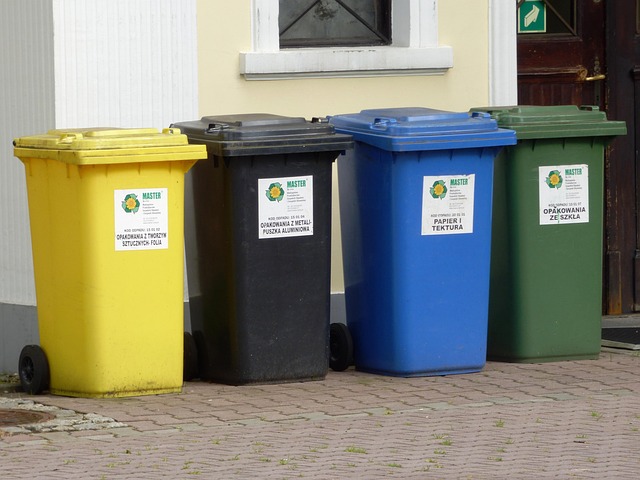
Recycling and composting are powerful tools within Queens Landscaping and Yard Waste Disposal Services’ arsenal, offering not only environmental benefits but also practical solutions for efficient waste management. This natural approach to waste transformation is a key strategy in reducing the environmental impact of landscaping activities while promoting sustainable practices.
The process begins with proper segregation of organic materials, such as food scraps, yard trimmings, and plant debris, which are ideal candidates for composting. By collecting these items, Queens Landscaping can divert significant amounts of waste from landfills, where organic matter decomposes slowly, releasing greenhouse gases like methane. According to a study by the U.S. Environmental Protection Agency (EPA), organic waste accounts for nearly 30% of the average municipal solid waste stream, highlighting the immense potential for reduction through composting initiatives. By employing industrial-scale composting methods, Queens Landscaping can produce nutrient-rich compost that is not only environmentally beneficial but also a valuable resource for enhancing soil fertility in various applications, from landscaping projects to agricultural settings.
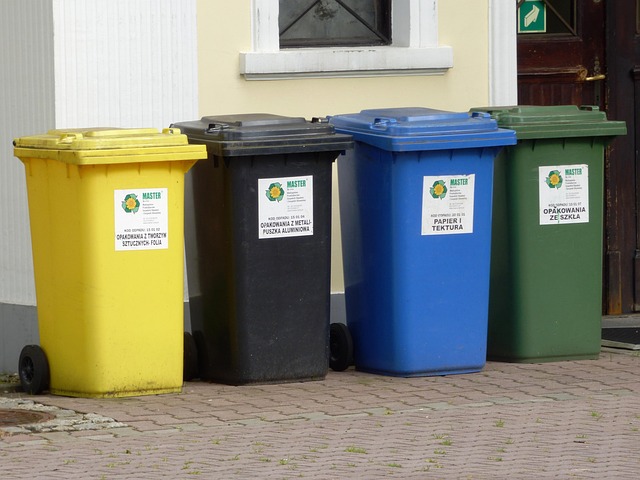
Furthermore, recycling plays a pivotal role in this sustainable waste management strategy. Plastics, metals, glass, and paper products commonly found in landscaping and construction activities can be meticulously sorted and processed for reuse or recycling. Queens Landscaping prioritizes staying updated with local recycling guidelines and partnerships with specialized recycling facilities to ensure efficient diversion of these materials from landfills. For instance, aluminum cans, a significant component of landscaping waste, can be recycled indefinitely without loss of quality, demonstrating the potential for closed-loop recycling systems that minimize environmental impact. This commitment to recycling not only reduces landfill contributions but also contributes to global efforts in conserving natural resources and mitigating climate change.
Efficient Collection and Transportation Methods
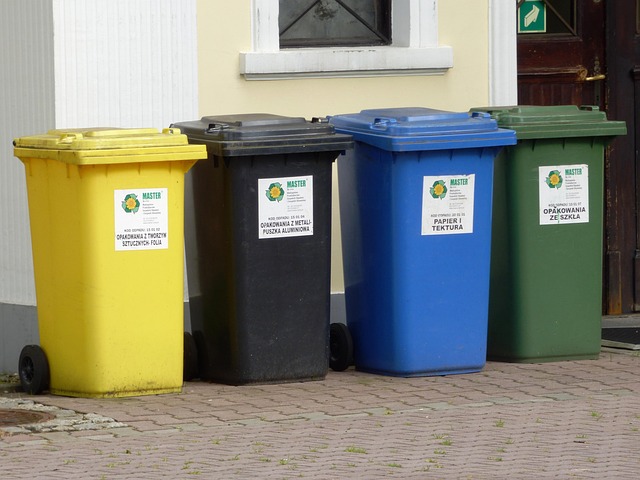
Efficient waste collection and transportation are paramount in any robust waste management strategy, and Queens Landscaping and Yard Waste Disposal Services understands this critical component intimately. Optimized collection routes, leveraging advanced routing software, and employing electric or hybrid vehicles significantly reduce carbon emissions and operational costs. For instance, a study by the Solid Waste Association of North America (SWANA) revealed that strategic routing can cut collection times by up to 30% while saving fuel costs.
Effective transportation methods further streamline the process. Implementing containerization, where waste is collected in standardized containers, facilitates efficient loading and unloading. This approach, already widely adopted in urban areas, enhances safety by reducing manual handling and minimizes damage to waste material. Additionally, the integration of real-time tracking systems allows for precise monitoring of waste movement, ensuring timely collection and optimized fleet utilization.
Queens Landscaping and Yard Waste Disposal Services employs these methods not only to adhere to environmental standards but also to enhance customer satisfaction. By minimizing disruptions and ensuring timely service, the company fosters trust and encourages responsible waste management practices within the community. This holistic approach positions the service provider as a leader in sustainable waste disposal, setting a benchmark for the industry.
Future Trends in Sustainable Waste Management
The future of sustainable waste management is an exciting prospect, filled with innovative solutions poised to transform how we handle our rubbish. As global awareness of environmental issues intensifies, so does the need for effective and eco-friendly waste disposal methods. In this evolving landscape, Queens Landscaping and Yard Waste Disposal Services can play a pivotal role in guiding communities towards more sustainable practices.
One prominent trend is the increased adoption of circular economy principles, focusing on reducing, reusing, and recycling waste. This involves redesigning products and processes to eliminate waste and keep resources in use for as long as possible. For instance, advanced recycling technologies are being developed to break down complex materials like plastics into their original components, allowing for infinite reuse. Additionally, the concept of ‘composting at scale’ is gaining traction, with industrial-level composting facilities transforming organic waste into valuable soil amendments, reducing the reliance on synthetic fertilizers. Queens Landscaping can contribute by promoting these practices among its clients and offering specialized composting services to manage yard waste efficiently.
Data from a recent study by the Global Waste Management Organization reveals that proper waste segregation and recycling can divert over 70% of municipal solid waste from landfills. This statistic underscores the potential for significant environmental impact through improved waste management. By investing in education programs and implementing smart waste sorting technologies, we can empower individuals to become active participants in sustainable waste disposal. Queens Landscaping’s expertise in landscaping design can be leveraged to create aesthetically pleasing recycling stations and composting areas, encouraging proper waste segregation practices within residential and commercial properties.
Furthermore, the integration of renewable energy sources into waste management systems is another game-changer. Incineration facilities equipped with advanced technology can generate electricity from waste, reducing greenhouse gas emissions and providing a clean energy alternative. This approach aligns with the broader shift towards more sustainable and self-sufficient communities. Queens Landscaping and Yard Waste Disposal Services can contribute to this trend by partnering with local renewable energy providers and advocating for environmentally conscious waste-to-energy solutions.
Through this comprehensive exploration of waste management solutions, readers have gained valuable insights into the multifaceted approach required to address this global challenge. From understanding the basics of waste categorization to delving into innovative practices like recycling and composting, the article highlights effective strategies for Queens Landscaping and Yard Waste Disposal Services. By emphasizing sustainable methods, efficient collection systems, and future trends, we underscore the importance of proactive waste management. Practical next steps include adopting comprehensive recycling and composting programs, implementing efficient transportation methods, and integrating green approaches exemplified by Queens Landscaping initiatives. Armed with these key learnings, readers are now equipped to contribute to a more sustainable future, transforming yard waste disposal into an eco-friendly opportunity.