Queens Landscaping and Yard Waste Disposal Services play a vital role in sustainable urban management by reducing organic waste sent to landfills. Key strategies include source separation, composting, and bio-digestion, diverting over 40% of residential waste. Landscaping businesses adopt these practices, promote native plant species, and offer cost-effective services. Diverse collection options, public education, and user-friendly pricing incentivize participation. Expanding access and embracing innovative technologies further enhance Queensland's environmental sustainability, setting a global example.
In the realm of environmental stewardship and community beautification, efficient disposal systems play a pivotal role. As bustling Queens continues to grow and evolve, effective landscaping and yard waste disposal services become increasingly vital for maintaining a clean, vibrant urban landscape. The challenge lies in balancing the management of organic waste with sustainable practices, ensuring that what many consider mere clutter is, in fact, a valuable resource awaiting transformation. This article delves into innovative solutions tailored specifically for Queens, offering a comprehensive approach to efficient waste disposal that fosters both environmental health and aesthetic beauty.
- Understanding Efficient Disposal Systems in Queens Landscaping
- Implementing Effective Yard Waste Disposal Services
Understanding Efficient Disposal Systems in Queens Landscaping

Efficient disposal systems play a pivotal role in Queens Landscaping, offering sustainable solutions for managing yard waste and enhancing environmental stewardship. In this context, understanding how to optimize waste disposal services is not merely an eco-friendly choice but also a strategic decision for property owners and landscaping professionals alike. Queens, with its diverse urban and suburban areas, presents unique challenges and opportunities when it comes to disposing of yard trimmings, leaves, and other organic materials generated through regular landscaping maintenance.
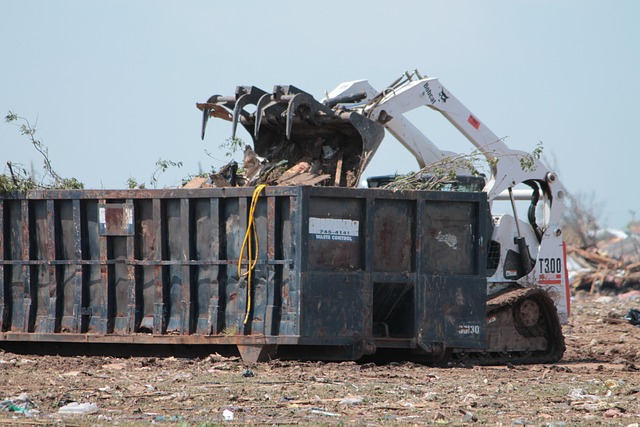
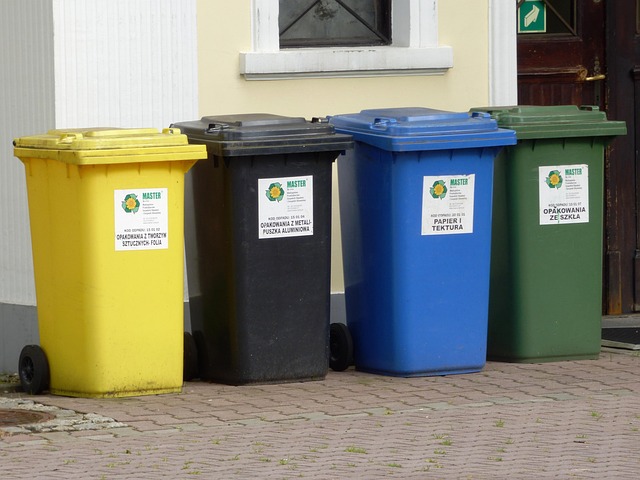
One of the key aspects of efficient disposal in Queens Landscaping is source separation. This involves separating different types of waste at the point of origin, such as green waste (grass clippings, leaves), hard waste (old furniture, appliances), and recyclables (plastic, glass). For instance, many landscaping companies in Queens now offer comprehensive yard waste collection services, where organic materials are redirected from landfills through composting or bio-digestion processes. According to a recent study by the New York City Department of Sanitation, proper source separation can divert over 40% of residential waste from landfills, significantly reducing the environmental impact. By adopting these practices, landscaping businesses contribute to Queens’ overall waste reduction goals while providing cost-effective services to clients.
Furthermore, utilizing natural disposal methods and promoting sustainable landscapes is a long-term strategy for efficient yard waste management. This includes recommending native plant species that require less maintenance and water, as well as implementing mulch applications to suppress weeds and retain soil moisture. For example, the Queens Botanical Garden has successfully integrated such practices, leading to reduced water usage and lower maintenance costs over time. By educating both clients and staff about these methods, landscaping professionals can foster a culture of environmental responsibility within the community, ensuring that Queens’ landscapes remain vibrant and eco-friendly for future generations.
Implementing Effective Yard Waste Disposal Services
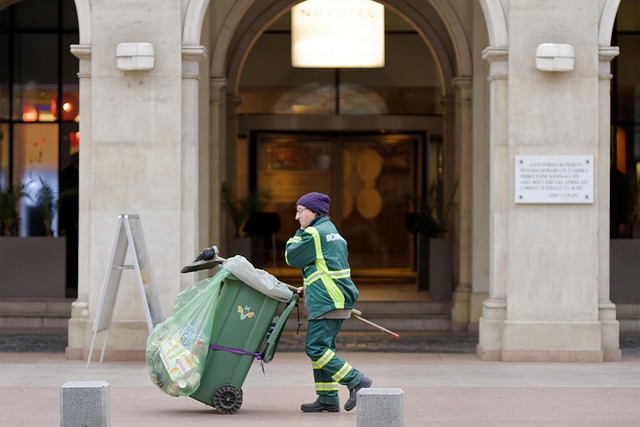
Implementing effective yard waste disposal services is a key component of sustainable urban management, particularly in densely populated areas like Queensland. With over 2.7 million residents across 3,456 square kilometers, efficient yard waste disposal in Queensland not only contributes to environmental preservation but also enhances community quality of life. According to the Queensland Government’s latest statistics, over 1.2 million tons of organic waste is generated annually from residential sources alone, emphasizing the urgent need for robust and eco-friendly disposal systems.
Queensland landscaping and yard waste disposal services play a pivotal role in mitigating environmental impact by diverting organic materials from landfills. Through strategic partnerships with local recycling centers and composting facilities, these services facilitate the transformation of yard clippings, leaves, and other organic residues into valuable resources. For instance, GreenCycle, a leading provider in Queensland, has successfully processed over 100,000 tons of organic waste since its inception, contributing to a significant reduction in landfill usage. This not only minimizes greenhouse gas emissions but also conserves precious land resources.
Practical insights for effective implementation include offering diverse collection options tailored to residential and commercial needs, promoting public education on proper waste segregation, and incentivizing participation through user-friendly pricing structures. Queensland can further enhance its environmental footprint by expanding access to yard waste disposal services in underserved regions, ensuring equitable access to eco-friendly practices. By embracing innovative technologies and fostering collaboration among stakeholders, the state can move towards a more sustainable future, setting an example for other jurisdictions worldwide.
Efficient disposal systems in Queens Landscaping are not just about aesthetics; they represent a holistic approach to sustainable management. By understanding the core principles outlined in this article, landowners and service providers alike can significantly contribute to environmental preservation through responsible yard waste disposal. Implementing effective Yard Waste Disposal Services in Queens Landscaping involves strategic planning, community education, and advanced technologies, ensuring minimal impact on ecosystems while maximizing resource recovery. Moving forward, adopting these practices will not only enhance the beauty of local landscapes but also foster a greener, more sustainable future for all.