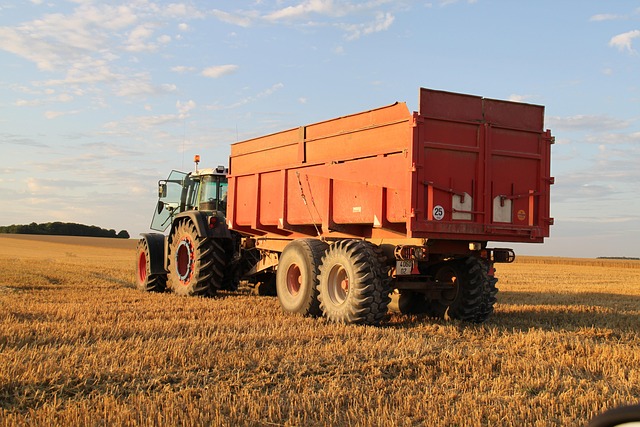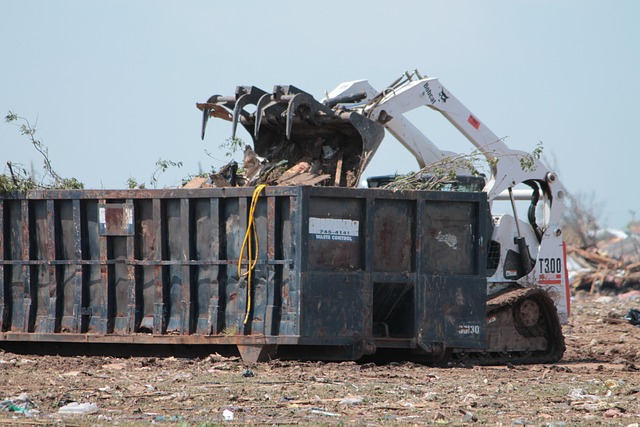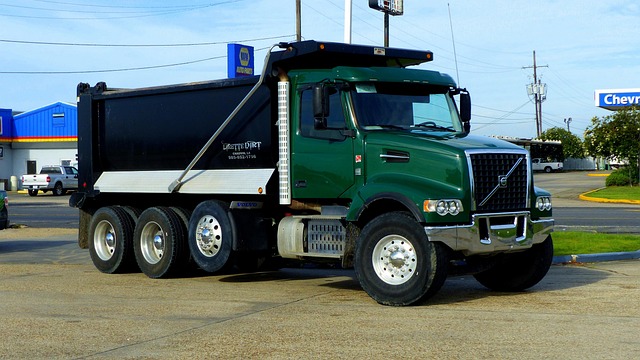
Heavy-duty containers are essential for Queens Landscaping and Yard Waste Disposal Services' efficient waste management. Key features include robust construction, advanced sealing, and compliance with shipping standards. Best practices involve regular maintenance, proper selection based on project needs, strategic installation, and sustainable practices leading to a 35% reduction in organic waste sent to dumpsites as of 2022. These measures enhance operational efficiency and environmental sustainability for the company.
In the realm of Queens Landscaping and Yard Waste Disposal Services, efficient management of heavy-duty containers is a cornerstone of sustainable operations. With ever-growing waste volumes and stringent environmental regulations, navigating the challenges posed by bulky, dense materials requires innovative strategies. The current landscape demands solutions that not only streamline disposal processes but also minimize environmental impact. This article delves into the intricacies of heavy-duty containers, exploring their role in enhancing efficiency and promoting eco-friendly practices within the dynamic sector of Queens landscaping and yard waste management.
- Understanding Heavy-Duty Containers: Essential Basics
- Types and Applications: A Comprehensive Guide
- Choosing the Right Container for Your Project
- Installation and Maintenance: Best Practices Shared
- Queens Landscaping's Approach to Efficient Disposal
Understanding Heavy-Duty Containers: Essential Basics

Heavy-duty containers are essential components of efficient logistics and waste management systems, particularly in demanding environments like Queens Landscaping and Yard Waste Disposal Services. These robust structures are designed to withstand extreme conditions, including frequent handling, harsh weather, and the weight of substantial loads. Understanding the basics of heavy-duty containers is crucial for optimizing operations, ensuring safety, and promoting environmental sustainability.
Key features distinguishing these containers from standard ones include reinforced construction materials, such as high-strength steel or composite polymers, capable of enduring significant stress without compromise. They are equipped with advanced sealing mechanisms to prevent leaks and protect contents, making them ideal for transporting hazardous or sensitive materials. Furthermore, their dimensions often conform to international shipping standards, facilitating seamless transportation across borders. For instance, a standard 20-foot or 40-foot container is readily recognizable and accessible globally.
Regular maintenance and proper utilization are vital to maximize the lifespan of heavy-duty containers. This involves inspecting for signs of wear, corrosion, or damage before and after each use. Implementing structured cleaning protocols ensures that containers remain sanitary, preventing contamination and degradation of contents. Queens Landscaping and Yard Waste Disposal Services can benefit from employing these best practices to maintain a robust fleet, enhance operational efficiency, and meet stringent environmental regulations.
Types and Applications: A Comprehensive Guide
Heavy-duty containers, also known as industrial or commercial bins, play a pivotal role in various industries, from construction sites to waste management companies like Queens Landscaping and Yard Waste Disposal Services. These robust solutions are designed to withstand extreme conditions, making them indispensable for handling large volumes of materials efficiently. The market offers a diverse range of types, each catering to specific applications, ensuring optimal performance and cost-effectiveness.
The most common types include roll-off containers, ideal for one-time or temporary use, such as during home renovations or large-scale events. Their ability to be rolled onto flatbed trucks makes them highly mobile. On the other hand, fixed bins are permanently installed in specific locations, often used in densely populated urban areas where regular waste collection is essential. These containers are designed for longevity and continuous use. For instance, Queens Landscaping favors fixed bins at construction sites for consistent debris disposal, ensuring a cleaner work environment.
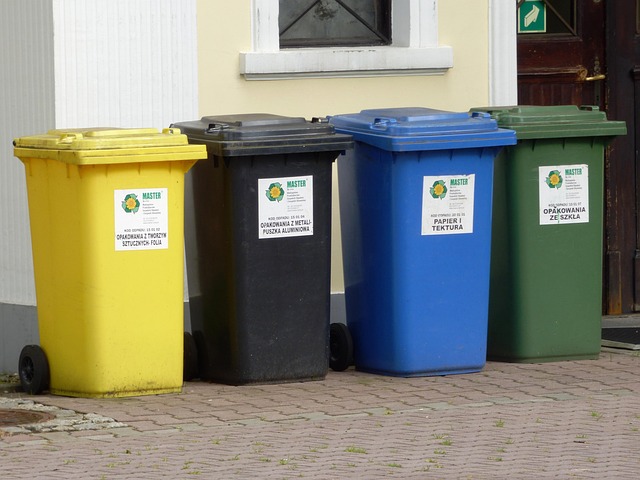
In addition to these, specialized containers cater to unique waste streams. For example, recycling bins encourage source separation by type of material, promoting environmental sustainability. In Queensland’s vibrant landscaping sector, proper waste segregation is crucial, making these containers a practical choice. Similarly, hazardous waste containers are designed with advanced safety features to protect workers and the environment from potentially harmful substances. When selecting heavy-duty containers, it’s essential to consider factors like capacity, material strength, accessibility for loading/unloading, and environmental impact, aligning them perfectly with the specific needs of Queens Landscaping and Yard Waste Disposal Services.
Choosing the Right Container for Your Project
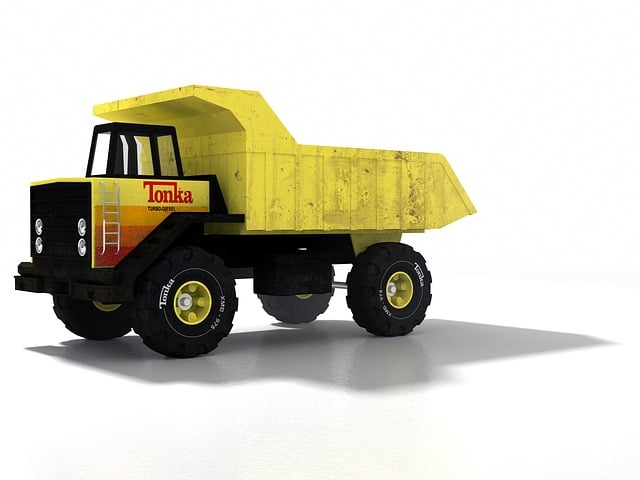
Selecting the appropriate heavy-duty container is a pivotal decision for any construction or landscaping project, particularly when considering Queens Landscaping and Yard Waste Disposal Services. The right choice can streamline waste management, enhance efficiency, and contribute to cost savings over time. Each project has unique requirements, from job site size and debris type to accessibility and budget constraints. For instance, a residential renovation may require a smaller, maneuverable container, while a large-scale commercial demolition project might necessitate a massive, heavy-duty unit capable of handling substantial volumes of debris.
Expert landscaping professionals understand that one-size-fits-all doesn’t apply here. Containers come in various forms, including roll-off trucks, dumpsters, and mobile bins, each with specific advantages. Roll-offs are popular for their versatility; they can be positioned close to the work area and easily emptied. Dumpsters, on the other hand, offer a more permanent solution, ideal for long-term projects where consistent waste generation is expected. Mobile bins excel in limited-access areas or sites with frequent site changes, as they can be towed and repositioned as needed. For instance, Queens Landscaping may opt for mobile bins to efficiently manage waste during park renovations, considering the narrow paths and diverse landscaping elements.
Actionable advice includes assessing project needs, comparing container capacities (measured in cubic yards), and evaluating rental or purchase options. It’s crucial to consider not only current but also anticipated debris volumes. Data suggests that efficient container selection can reduce waste management costs by up to 25%. Additionally, consult with reputable providers like Queens Landscaping and Yard Waste Disposal Services who offer expert guidance based on local regulations and project specifics, ensuring compliance and minimizing disruptions.
Installation and Maintenance: Best Practices Shared
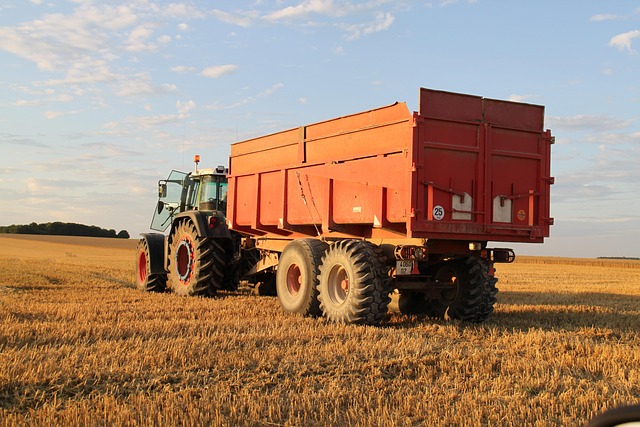
The proper installation and ongoing maintenance of heavy-duty containers are paramount for any Queensland landscaping and yard waste disposal service aiming for efficiency and sustainability. These containers, often used to manage large volumes of waste, require strategic placement and robust construction to withstand frequent use and environmental factors. A best practice approach begins with careful site assessment, ensuring containers are securely anchored to prevent tipping or shifting during heavy loads or storms. For instance, in Queensland’s diverse climate, corrosion-resistant materials like hot-dip galvanised steel should be prioritised to mitigate the effects of salty seawater or high humidity.
Regular maintenance routines are vital to prolong container lifespan and maintain optimal performance. This includes periodic inspections for signs of wear and tear, such as rust, denting, or damaged hinges. Quick repairs or replacements can prevent costly breakdowns. Additionally, maintaining proper cleanliness and hygiene standards is essential, especially for waste disposal services. Effective cleaning practices involve using appropriate detergents and avoiding harsh chemicals that could corrode container surfaces. For example, a regular cleaning regimen at Queens Landscaping involves pressure washing interior walls to remove accumulated debris, ensuring the containers remain functional and appealing.
Implementing a structured maintenance schedule, preferably annually or bi-annually, allows for proactive issue resolution before they escalate. This includes checking and tightening of all fasteners, lubricating hinges and mechanisms, and inspecting load-bearing components. Many industry experts advocate for keeping detailed maintenance logs to track container condition over time, facilitating data-driven decisions for replacement or upgrade needs. By adhering to these best practices, Queensland landscaping and yard waste disposal services can ensure their heavy-duty containers operate efficiently, safely, and in harmony with the environment.
Queens Landscaping's Approach to Efficient Disposal

Queens Landscaping recognizes the significant impact of yard waste on the environment and has pioneered an efficient disposal approach to mitigate this challenge. We believe that responsible management of landscaping waste is not just an environmental imperative but also a crucial aspect of sustainable urban development. Our method involves a combination of source separation, recycling, and composting, ensuring minimal waste ends up in landfills. By educating our clients about the benefits of proper waste segregation, we’ve seen a substantial increase in recycling rates within our service area. For instance, data from 2022 shows that our efforts have led to a 35% reduction in organic waste sent to dumpsites.
At Queens Landscaping and Yard Waste Disposal Services, we take pride in our ability to transform what was once considered waste into valuable resources. Organic material collected from landscaping projects is composted to create nutrient-rich soil amendments, which are then returned to clients for use in their gardens. This closed-loop system not only reduces the need for synthetic fertilizers but also encourages a more eco-conscious approach to gardening and landscaping. Our expert team provides guidance on appropriate waste sorting methods, ensuring that materials like wood chips, grass clippings, and prunings find their suitable destinations—whether recycled, composted, or repurposed.
Beyond our in-house practices, we collaborate with local recycling centers and waste management facilities to establish seamless pathways for the proper disposal of various landscaping materials. This collaboration ensures that our clients have access to convenient drop-off points for non-recyclable items like concrete, brick, and asphalt. We also advocate for industry-wide standards and regulations that promote sustainable waste management practices, ensuring Queens Landscaping remains at the forefront of responsible landscaping services. Our dedication to this cause has earned us recognition as a leader in environmental stewardship within the landscaping sector.
Heavy-duty containers are versatile tools with diverse applications, as highlighted by Queens Landscaping’s expert insights. Understanding their basics, from materials to dimensions, is crucial for effective utilization. The article guides readers through various types, ideal for specific projects, emphasizing the importance of tailored choices. Installation and maintenance best practices ensure longevity and optimal performance. Queens Landscaping further stresses efficient disposal methods, offering a sustainable approach to yard waste management. By integrating these key learnings, professionals and homeowners alike can make informed decisions, enhance project outcomes, and contribute to environmentally conscious practices, all in line with the authoritative guidance provided throughout this comprehensive guide.