Queens Landscaping and Yard Waste Disposal Services offers tailored solutions for efficient construction waste management in Queensland, Australia. Key strategies include recycling programs, worker education, and partnerships with licensed disposal services to minimize the industry's ecological footprint (accounting for 30% of Queensland's waste). Customized dumpster rental solutions, advanced planning, strategic placement, and regular communication optimize waste handling, reduce costs by 15-20%, prevent safety hazards, and ensure compliance with stringent local regulations. Services also include on-site waste management, sorting, recycling, and comprehensive recycling programs that transform waste into valuable resources, fostering sustainable construction practices.
Construction projects, while vital for growth and development, often present significant challenges when it comes to waste management. The accumulation of diverse materials—from concrete and wood to metal and plastic—requires efficient disposal solutions. In Queens, where landscaping and yard waste disposal services are in high demand, the need for strategic planning is paramount. This article delves into the intricacies of dumpster rental specifically tailored for construction sites, offering a comprehensive guide to streamline waste management and contribute to a cleaner, more sustainable environment. By the end, readers will grasp the importance of informed choices in this domain.
- Understanding Construction Site Waste Management
- Choosing the Right Dumpster Size for Efficiency
- The Role of Queens Landscaping in Responsible Disposal
- Best Practices for Optimal Dumpster Rental Experience
Understanding Construction Site Waste Management

Construction sites generate a significant volume of waste, from building materials to debris, and proper management is essential for environmental sustainability and site safety. Understanding Queens Landscaping and Yard Waste Disposal Services plays a pivotal role in this process. Effective waste management strategies involve sorting, recycling, and responsible disposal, ensuring that construction projects minimize their ecological footprint. One of the primary challenges is separating recyclable materials from non-recyclable ones, such as wood, metal, plastic, and concrete. For instance, steel and aluminum can be recycled indefinitely without loss of quality, reducing the need for raw materials.
In Queensland, Australia, where the construction industry thrives, waste management regulations are stringent to protect local ecosystems. According to recent data from the Queensland Government, the construction sector accounts for approximately 30% of all waste generated in the state. This underscores the critical need for efficient waste management practices. Professional landscaping services specialize in navigating these complexities by providing tailored solutions. They offer expertise in site preparation, soil testing, and eco-friendly disposal methods, ensuring that construction projects meet environmental standards.
Actionable advice for effective waste management includes implementing a comprehensive recycling program, educating workers on proper sorting techniques, and partnering with licensed disposal services. Queens Landscaping and Yard Waste Disposal Services can assist in designing custom waste management plans, optimizing resource recovery, and promoting sustainable building practices. By embracing these strategies, construction projects can reduce their environmental impact while adhering to local regulations, ultimately contributing to a greener and more responsible industry.
Choosing the Right Dumpster Size for Efficiency
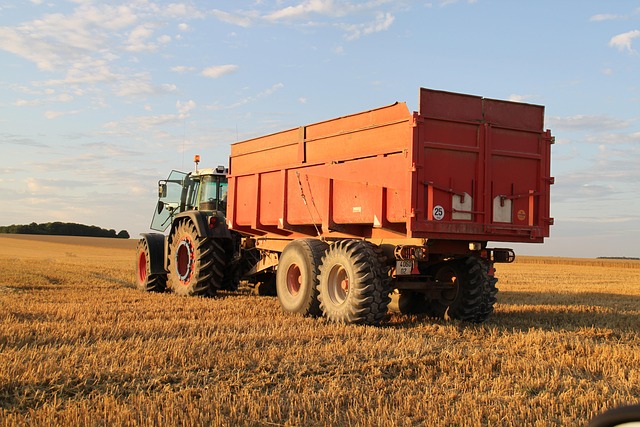
Selecting the appropriate dumpster size is a critical yet often overlooked aspect of efficient construction site management. In Queensland, landscaping and yard waste disposal services have evolved to meet the demands of modern construction projects, where minimizing disruption and maximizing productivity are paramount. The right dumpster size can significantly impact project timelines and costs, ensuring smooth operations and adhering to environmental regulations.
For instance, a standard 4-yard dumpster is suitable for small-scale projects with moderate waste generation, such as residential renovations. This size allows for efficient loading and unloading while keeping transportation costs down. However, larger construction sites often require more substantial containers. An 8- or 10-yard dumpster might be better suited for major repairs or new builds, accommodating bulk materials like concrete, bricks, and timber. By choosing the right fit, contractors can avoid unnecessary trips to landfills, reducing both operational expenses and environmental impact.
Data from industry surveys reveals that proper dumpster utilization can lead to substantial savings. On average, efficient waste management practices can reduce construction project costs by 15-20%. Moreover, timely removal of construction debris prevents potential safety hazards and ensures compliance with local waste disposal regulations. Queens Landscaping and Yard Waste Disposal Services professionals emphasize the importance of custom solutions tailored to each project’s unique needs. They offer expert advice on dumpster placement, frequency of service, and waste separation guidelines to ensure optimal efficiency.
The Role of Queens Landscaping in Responsible Disposal

Construction sites generate a significant amount of waste, from wood and concrete to metal and plastic. Responsible disposal is not just an environmental imperative; it’s also a legal requirement. Queens Landscaping and Yard Waste Disposal Services play a pivotal role in ensuring that construction projects minimize their ecological footprint while adhering to stringent regulations.
Expert landscaping companies like Queens offer specialized services tailored for the unique challenges of construction sites. They provide on-site waste management, sorting, and recycling programs, ensuring that materials are processed efficiently. For instance, they can separate recyclables from non-recyclables, diverting as much material as possible from landfills. According to recent data, proper waste management practices can reduce construction site landfill disposal by up to 70%. Queens Landscaping also facilitates the responsible disposal of hazardous materials, such as asbestos and lead paint, following strict government guidelines.
Moreover, these services extend beyond disposal. They include comprehensive recycling programs that turn waste into valuable resources. For example, wood from demolition projects can be chipped and used for mulch or compost. Concrete and asphalt can be recycled into new construction materials, reducing the need for virgin resources. By partnering with Queens Landscaping, construction companies can demonstrate their commitment to sustainability and minimize their environmental impact.
In conclusion, effective yard waste disposal services are more than just a convenience; they’re an essential component of sustainable construction practices. Queens Landscaping and Yard Waste Disposal Services offer proven solutions that not only meet regulatory requirements but also contribute to a greener future for the industry. Construction managers should consider these services as integral to their projects, ensuring both environmental responsibility and compliance with local regulations.
Best Practices for Optimal Dumpster Rental Experience
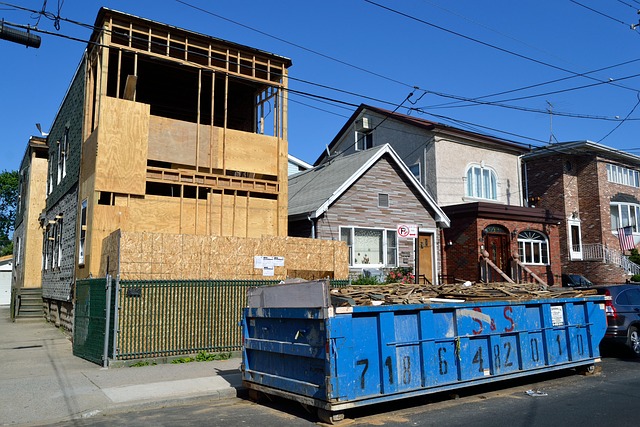
When it comes to construction sites, efficient waste management is paramount for a successful project and a positive environmental impact. Dumpster rental plays a pivotal role in this process, offering both logistical support and cost savings. Queens Landscaping and Yard Waste Disposal Services, with their extensive experience, emphasize the importance of adopting best practices for optimal dumpster rental experiences.
One crucial aspect is advance planning. Before securing a rental, contractors should carefully assess the project’s waste generation potential. This involves understanding the type and volume of materials to be discarded, from concrete and bricks to wood and debris. For instance, a renovation project might require smaller dumpsters for frequent collections, while a large-scale construction site could benefit from larger containers with less frequent pickups. Data suggests that proper pre-planning can lead to 20-30% reduction in overall rental costs.
Location, accessibility, and convenience are also key factors. Strategically placing dumpsters near construction areas ensures efficient waste disposal. Queens Landscaping recommends keeping them within a 50-foot radius of the work zone for seamless operations. Moreover, checking local regulations regarding dumpster placement and permitting is essential to avoid any legal complications. Regular communication with rental providers is vital; they can offer valuable insights on optimal container sizes and collection schedules tailored to specific construction needs.
By understanding the fundamentals of construction site waste management, including choosing the appropriate dumpster size to enhance efficiency, and recognizing the significant role Queens Landscaping and Yard Waste Disposal Services play in responsible disposal, readers are now equipped with the knowledge to make informed decisions. The best practices highlighted throughout this article serve as a roadmap for an optimal dumpster rental experience, ensuring projects run smoothly and sustainably. Moving forward, adopting these strategies will not only streamline waste management but also contribute to a more environmentally conscious construction industry.