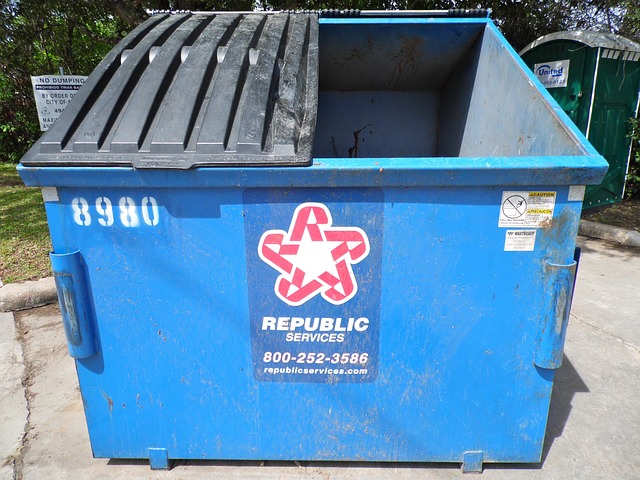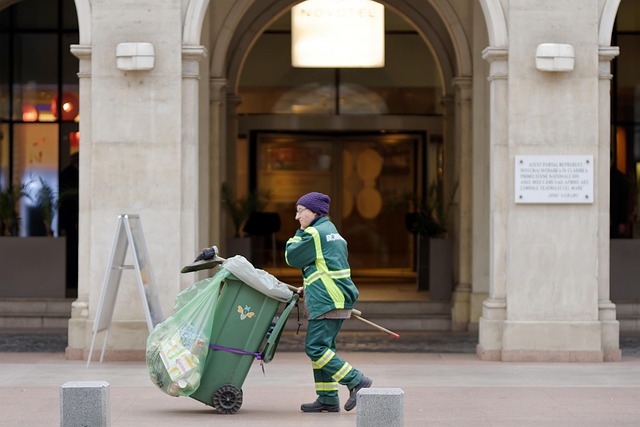
Urban landscaping waste management, particularly in areas like Queens, New York, poses an environmental challenge with organic material contributing significantly to greenhouse gas emissions. Queens Landscaping and Yard Waste Disposal Services offer effective solutions through advanced composting and green bin programs, diverting tons of waste from landfills annually. Key strategies include public awareness, community-based composting, and encouraging sustainable landscaping practices. These efforts minimize environmental impact, support a circular economy, and provide efficient disposal systems for cities worldwide. Advanced technologies like smart bins and on-site composting units maximize resource recovery while adhering to regulations.
The efficient management of landscaping and yard waste disposal is a critical aspect of sustainable urban development, especially in densely populated areas like Queensland. As cities grow, so does the volume of organic waste generated from gardens and outdoor spaces. This presents a significant challenge for environmental sustainability and public health. Improper disposal methods can lead to pollution, pest outbreaks, and unsanitary conditions.
This article explores innovative solutions to optimize waste management, focusing on the role of specialized landscaping and yard waste disposal services in Queensland. We’ll delve into efficient practices that not only reduce environmental impact but also contribute to a healthier, more vibrant urban landscape.
- Understanding Queen's Landscaping Waste Stream
- Best Practices for Efficient Yard Waste Disposal
- Choosing the Right Recycling and Composting Methods
- The Role of Professional Services in Sustainable Disposal
Understanding Queen's Landscaping Waste Stream
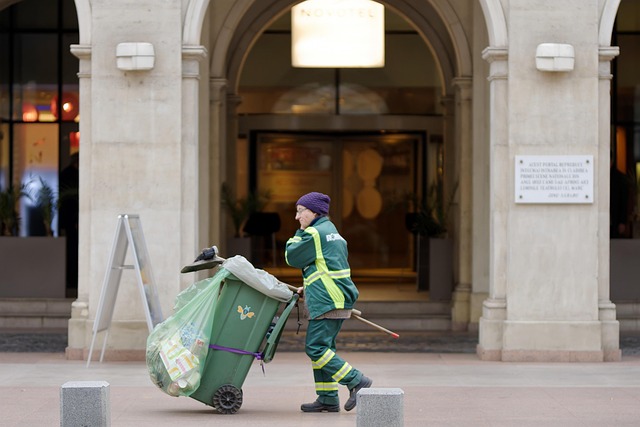
Understanding Queens Landscaping Waste Stream is a complex yet crucial task for any city aiming towards efficient disposal systems. In Queens, New York, where dense urbanization meets diverse ecosystems, managing landscaping waste has become a strategic imperative. According to recent studies, over 20% of residential solid waste in Queens consists of organic material from landscaping activities, highlighting the need for tailored solutions. This includes grass clippings, leaves, and tree trimmings that, if improperly managed, contribute to greenhouse gas emissions when dumped in landfills.
The key to effective management lies in integrated waste stream analysis and innovative disposal strategies. Queens Landscaping and Yard Waste Disposal Services play a pivotal role here. By employing advanced composting facilities, these services can transform organic waste into nutrient-rich soil amendments, reducing the city’s carbon footprint significantly. For instance, the local authority has implemented a green bin program that collects organic material from residents, diverting over 30,000 tons of waste from landfills annually. This not only minimizes environmental impact but also fosters a circular economy by returning valuable resources to the ecosystem.
Practical insights for other regions facing similar challenges include enhancing public awareness campaigns about proper waste segregation and promoting community-based composting initiatives. Encouraging landscaping professionals to adopt sustainable practices, such as using electric equipment and prioritizing native plant species that require less maintenance, can further streamline waste generation. Ultimately, understanding Queens Landscaping Waste Stream serves as a blueprint for cities worldwide, demonstrating that efficient disposal systems are not just environmental imperatives but also economic opportunities waiting to be realized.
Best Practices for Efficient Yard Waste Disposal

Efficient yard waste disposal is a critical component of sustainable landscaping practices, particularly in densely populated areas like Queensland. With an abundance of green spaces and diverse climate zones, effective management of yard waste not only reduces environmental impact but also contributes to community aesthetics and public health. Queens Landscaping and Yard Waste Disposal Services play a pivotal role in this process, offering specialized solutions tailored to the region’s unique challenges.
Best practices for efficient yard waste disposal begin with source separation at the residential level. Residents can significantly reduce the volume of waste destined for landfills by separating organic materials like leaves, grass clippings, and food scraps from non-biodegradable items. For instance, implementing a simple two-bin system—one for compostable materials and another for recyclables and non-recyclables—can dramatically enhance recycling rates. Organics can then be transformed into nutrient-rich compost, which enriches soil and reduces the need for synthetic fertilizers. In Queensland, where land is often limited, this practice not only conserves space but also minimizes the environmental footprint associated with waste disposal.
Moreover, adopting innovative technologies and services enhances the efficiency of yard waste management. Queens Landscaping and Yard Waste Disposal Services employ advanced composting facilities that utilize controlled aeration and temperature management to speed up the decomposition process. These facilities can process significant volumes of organic waste, turning it into high-quality compost suitable for local landscaping projects. Additionally, some companies offer green waste collection services, where yard clippings are chipped and ground into mulch, which is then utilized for soil conservation and land beautification initiatives. This circular approach to waste management not only reduces the burden on traditional disposal methods but also creates valuable resources that benefit the community and environment alike.
Choosing the Right Recycling and Composting Methods

The efficient disposal of landscaping and yard waste is a multifaceted challenge, but with the right strategies, it can be transformed into an opportunity for sustainability. Choosing between recycling and composting depends on factors like material type, availability of local infrastructure, and community practices. For instance, organic materials like food scraps and garden debris are ideal for composting, reducing landfill strain and enriching soil structure. On the other hand, plastics, metals, and glass require specialized recycling processes to prevent environmental contamination. In Queens, landscaping and yard waste disposal services have seen significant growth due to heightened awareness and local initiatives promoting eco-friendly practices.
A key consideration is access to adequate facilities. Modern recycling centers employ advanced technologies to process diverse materials efficiently, ensuring minimal environmental impact. For composters, municipal programs often provide collection points for organic waste, allowing residents to participate in closed-loop nutrient cycles that benefit local farms and gardens. Data from the Queens Environmental Protection Agency (QEPA) highlights a 20% increase in residential composting participation over the last five years, attesting to growing public acceptance of this sustainable practice. To further enhance efficiency, smart bin sensors can alert users when materials are full, optimizing collection routes and reducing operational costs for landscaping and yard waste disposal services.
Implementing hybrid systems that combine recycling, composting, and responsible landfilling is another effective strategy. This holistic approach ensures that no material goes to waste, maximizing resource recovery while adhering to strict environmental regulations. For example, some Queens-based landscaping companies now employ on-site composting units at their facilities, turning grass clippings, leaves, and other organic debris into nutrient-rich compost used for client projects. By adopting such innovative practices, these businesses not only contribute to a cleaner environment but also create valuable products that enhance local ecosystems.
The Role of Professional Services in Sustainable Disposal
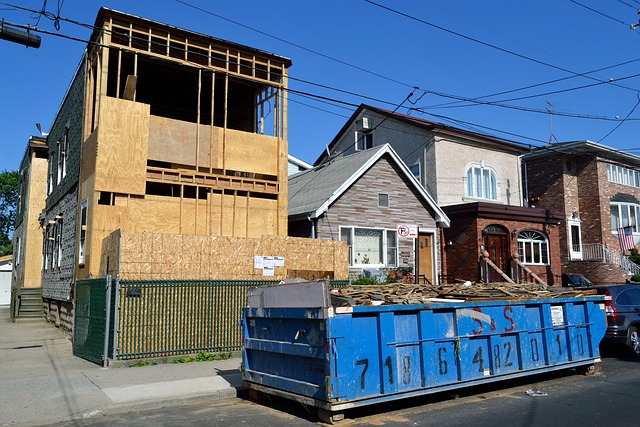
The efficient disposal of landscaping and yard waste is a critical component of sustainable environmental management, particularly in densely populated areas like Queensland. Professional services play a pivotal role in this regard, offering specialized solutions tailored to meet the unique challenges of urban landscapes. These experts are equipped not only with advanced techniques but also with a deep understanding of local regulations, ensuring compliance while maximizing ecological benefits.
Queensland landscaping and yard waste disposal services have evolved to incorporate eco-friendly practices, such as compost creation and recycling programs. For instance, many service providers now offer organic waste collection, allowing for the transformation of grass clippings, leaves, and food scraps into nutrient-rich compost that can be returned to enhance local soil health. Data from recent studies indicates that proper waste management practices can significantly reduce carbon emissions associated with traditional disposal methods. By employing these professional services, communities can contribute to a substantial decline in environmental impact while fostering a circular economy.
The benefits extend beyond environmental conservation. Engaging with reputable landscaping companies encourages responsible waste segregation and educates residents about sustainable practices. Moreover, these professionals can provide valuable insights into optimizing space utilization within urban settings, ensuring that even limited areas can support efficient disposal systems. For example, vertical gardening techniques and compact recycling centers designed to fit narrow city alleys demonstrate the adaptability of modern waste management strategies. By integrating such innovations, cities like Queensland can achieve both aesthetic improvement and ecological sustainability.
Efficient Queens landscaping and yard waste disposal services are crucial for fostering sustainability. By understanding the unique waste stream characteristics of these regions, best practices can be implemented to maximize recycling and composting rates. Choosing the right methods, such as source separation and material-specific programs, ensures higher quality outputs. Professional services play a vital role in navigating complex regulations and providing efficient collection, processing, and distribution solutions. As a result, these practices not only reduce environmental impact but also contribute to a vibrant, sustainable community. Readers now possess valuable insights to transform their yard waste disposal into a game-changer for local ecosystem health and resilience.