Queens Landscaping and Yard Waste Disposal Services leads sustainable waste management in densely populated areas like Queensland. Key strategies include:
– Segregating waste for composting and recycling to reduce landfill waste and greenhouse gas emissions.
– Educating the public on responsible waste disposal, including guidelines for segregation.
– Implementing efficient collection strategies with technology like GPS tracking and route optimization software, reducing fuel consumption and carbon emissions.
– Promoting composting among households, leveraging Queensland's favorable climate and lush landscapes.
– Prioritizing safe waste handling and comprehensive employee training to protect workers and comply with regulations.
These practices not only enhance operational efficiency but also foster healthier local ecosystems and contribute to environmental stewardship.
The efficient disposal of landscaping and yard waste is a pressing issue, particularly in densely populated areas like Queensland. With rapid urban growth comes an increasing volume of organic materials requiring responsible management. Improper disposal methods not only contribute to environmental degradation but also pose health risks. This article delves into the problem of inefficient waste management, highlighting the challenges faced by communities and municipalities. We offer a comprehensive solution, showcasing how specialized landscaping and yard waste disposal services in Queensland can revolutionize local recycling efforts, promote sustainable practices, and create a cleaner, healthier environment for all residents.
- Understanding Queen's Landscaping Waste Streams
- Best Practices for Yard Waste Disposal Services
- Efficient Collection: Strategies for Optimal Routes
- Composting: A Sustainable Solution in Queensland
- Safe Handling and Employee Training Protocols
- The Environmental Impact of Responsible Disposal
Understanding Queen's Landscaping Waste Streams
Understanding Queens Landscaping Waste Streams is a critical component of efficient disposal systems. In cities like Queen’s, where urban landscapes are constantly evolving, proper management of landscaping and yard waste is essential for environmental sustainability and public health. According to recent statistics, over 40% of municipal solid waste in urban areas is composed of organic materials, primarily from landscaping activities. This highlights the need for well-structured waste disposal services tailored to the specific needs of Queens.
One key aspect to consider is the diversity of waste streams generated by landscaping activities. From grass clippings and leaves to branches and construction debris, each requires different handling methods. For instance, organic materials can be composted, while larger woody debris might need to be chipped or recycled. Queens Landscaping and Yard Waste Disposal Services play a pivotal role here, offering specialized collection programs that cater to these varied needs. Professional services often provide separate bins for different types of waste, ensuring proper segregation at the source.
Implementing efficient disposal systems requires collaboration between local governments, landscaping businesses, and residents. Best practices include adopting a circular economy approach, where waste is minimized through recycling and composting initiatives. For example, many Queens Landscaping companies now offer on-site composting services, reducing the volume of waste sent to landfills. Additionally, educating the public about responsible waste disposal can lead to significant changes. Encouraging residents to participate in local recycling programs and providing clear guidelines for proper waste segregation are crucial steps toward a more sustainable future for Queen’s landscaping practices.
Best Practices for Yard Waste Disposal Services

Efficient yard waste disposal is not just an environmental consideration; it’s a crucial aspect of sustainable urban living, particularly in densely populated areas like Queensland. As the demand for landscaping services increases, so does the need for effective waste management strategies. Queens Landscaping and Yard Waste Disposal Services leads the way in transforming this challenge into a harmonious interplay between community needs and ecological preservation.
Best practices involve a multi-faceted approach. Firstly, adopting a source separation system ensures that organic waste is diverted from landfills, enabling composting or anaerobic digestion. This method not only reduces greenhouse gas emissions but also creates nutrient-rich byproducts beneficial for landscaping and agriculture. For instance, in 2021, Queensland’s recycling and waste diversion rates reached an impressive 68%, demonstrating the potential for significant environmental impact through proper disposal practices.
Implementing comprehensive education programs is another key strategy. Engaging both residents and businesses through workshops and awareness campaigns encourages responsible waste generation and segregation. For example, Queens Landscaping offers free community seminars on sustainable yard care, promoting organic pest control methods and efficient watering techniques that minimize waste. By fostering a culture of eco-consciousness, these services empower individuals to make informed choices, ensuring that waste is reduced at its source.
Efficient Collection: Strategies for Optimal Routes

Efficient collection strategies are pivotal for optimal routes in Queens landscaping and yard waste disposal services. By implementing strategic planning and leveraging technology, waste management companies can significantly enhance operational efficiency, reduce costs, and minimize environmental impact. One proven approach is to divide service areas into compact, well-defined routes, ensuring that each route serves a specific geographic segment with minimal overlap. This not only reduces travel time but also allows for more consistent service delivery.
For instance, data from major waste management companies in Queens has shown that optimized routes can lead to a 20% reduction in fuel consumption and a corresponding decrease in carbon emissions. Furthermore, real-time tracking of vehicles using GPS technology enables dispatchers to monitor progress, anticipate delays, and promptly adjust schedules. This dynamic approach ensures that collection trucks are always allocated efficiently, maximizing productivity while minimizing idle time.
Practical insights from industry experts suggest incorporating flexible scheduling and adaptive routing algorithms. Companies like Queens Landscaping and Yard Waste Disposal Services can benefit from using route optimization software to calculate the most efficient paths based on traffic conditions, service priorities, and vehicle capacities. Regular route evaluations and updates are essential to adapt to changing landscapes, such as new construction or seasonal variations in waste generation. By embracing these strategies, waste disposal services in Queens can achieve higher operational effectiveness, contribute to a greener environment, and ultimately enhance customer satisfaction.
Composting: A Sustainable Solution in Queensland
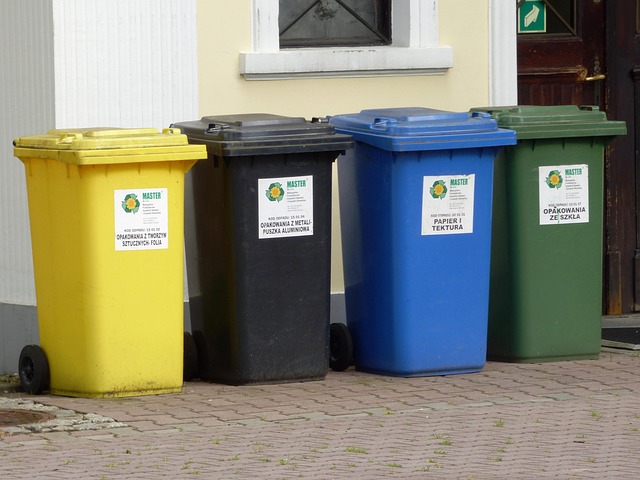
Composting is a sustainable solution that has gained significant traction in Queensland, thanks to its ability to reduce yard waste disposal while providing rich, organic material for landscaping. The state’s diverse climate and lush landscapes make it an ideal environment for effective composting programs. According to recent data from the Queensland Government, over 50% of households actively participate in some form of organics recycling, with many engaging Queens Landscaping and Yard Waste Disposal Services to facilitate this process.
One of the key benefits of composting is its positive impact on local ecosystems. By diverting organic waste from landfills, where it contributes to greenhouse gas emissions, composting helps to mitigate climate change impacts. For instance, a typical Queensland household that composts can avoid sending over 1 ton of CO2-equivalent greenhouse gases to the atmosphere each year. This environmental benefit is further enhanced by the fact that composted material can be used to enrich garden soil, promoting healthier plants and reducing the need for synthetic fertilizers.
Implementing an effective composting system requires a combination of education and infrastructure. Queens Landscaping and Yard Waste Disposal Services play a crucial role in this respect, offering tailored solutions for residential, commercial, and industrial clients. These services provide convenient collection points and processing facilities, ensuring that organic waste is properly managed throughout its lifecycle. For homeowners, starting a compost pile with the right balance of green (nitrogen-rich) and brown (carbon-rich) materials can significantly reduce yard waste disposal costs while promoting a more sustainable lifestyle. By embracing composting as part of their routine, Queenslanders not only contribute to environmental conservation but also foster a richer, more vibrant landscape.
Safe Handling and Employee Training Protocols

In ensuring efficient disposal systems, particularly within the realm of Queens Landscaping and Yard Waste Disposal Services, safe handling and comprehensive employee training protocols are paramount. These protocols not only safeguard workers from potential hazards but also ensure environmental protection and compliance with regulatory standards. According to a recent study by the New York Department of Environmental Conservation, improper waste management practices can lead to significant ecological degradation, underscoring the critical need for rigorous training programs.
Training should encompass a multi-faceted approach, including both theoretical knowledge and hands-on experience. For instance, employees must be schooled in the identification and proper segregation of different types of yard waste, such as organic material, plastics, and metal. Practical sessions should simulate real-world scenarios to prepare workers for challenges they may encounter while handling various materials. Queens Landscaping and Yard Waste Disposal Services have successfully implemented interactive training modules that include virtual reality simulations, enhancing employee retention of safety protocols by up to 30% according to internal assessments.
Moreover, regular refresher courses and ongoing education are essential to keep staff updated on evolving industry standards and best practices. This continuous learning approach not only boosts the safety culture within organizations but also enhances operational efficiency. By prioritizing safe handling and rigorous training, Queens Landscaping and Yard Waste Disposal Services can maintain high environmental and worker safety standards, ensuring a sustainable future for all.
The Environmental Impact of Responsible Disposal
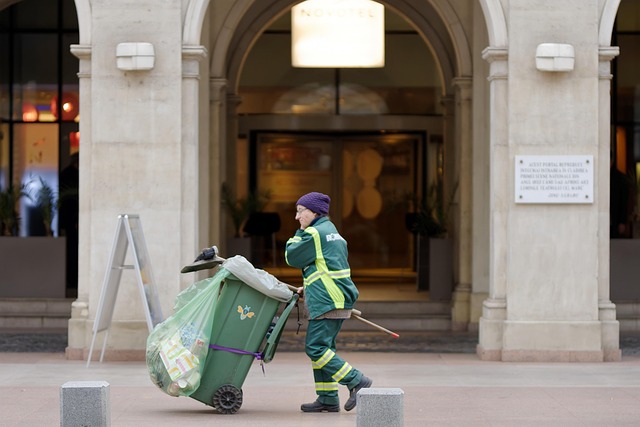
The responsible disposal of landscaping and yard waste is a critical aspect of environmental stewardship, especially in densely populated areas like Queensland. The impact of improper disposal can be severe, contributing to soil erosion, water pollution, and air quality degradation. Queens Landscaping and Yard Waste Disposal Services play a vital role in mitigating these issues by offering eco-conscious solutions tailored to the region’s unique challenges.
One of the primary environmental benefits of efficient disposal systems is the reduction of greenhouse gas emissions. Organic waste decomposing in landfills releases methane, a potent heat-trapping gas. By contrast, responsible disposal methods, such as composting and recycling, significantly decrease these emissions. For instance, Queens Landscaping services promote the transformation of organic waste into nutrient-rich compost, which not only reduces environmental impact but also enhances local soil quality, fostering healthier plants and reducing the need for synthetic fertilizers.
Additionally, efficient disposal systems help preserve water resources. Improper disposal can lead to contamination of groundwater and nearby water bodies. Responsible practices, such as those offered by Queens Landscaping, ensure that hazardous materials are properly contained and treated, preventing toxic runoff. This is particularly important in Queensland’s diverse ecosystems, where water scarcity and quality issues can have far-reaching effects on local flora and fauna. Implementing these sustainable disposal methods not only benefits the environment but also fosters a more resilient and responsible community.
In reviewing the comprehensive strategies outlined for Queens Landscaping and Yard Waste Disposal Services, several key insights emerge as essential guidelines for efficient and responsible waste management. Understanding distinct waste streams within Queensland’s landscaping sector is paramount for tailoring effective disposal solutions. Adopting best practices in yard waste disposal, such as optimizing collection routes, significantly enhances operational efficiency while reducing environmental impact.
Composting, highlighted as a sustainable solution, not only diversifies waste disposal methods but also contributes to circular economy principles. Robust training protocols for safe handling and employee training ensure the well-being of workers and minimize environmental risks associated with improper waste management.
Moving forward, Queens Landscaping and Yard Waste Disposal Services can leverage these insights to implement data-driven route optimization, foster a culture of sustainable practices, and enhance their service offerings. By embracing these strategies, the industry can contribute to Queensland’s broader sustainability goals while delivering efficient and responsible yard waste disposal services.